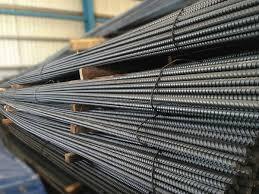
Rising tensions in the Middle East are expected to drive up steel prices globally as surging oil costs and higher freight rates put additional pressure on production and supply chains, according to industry sources. Analysts note that the Gulf region is a critical hub for crude oil exports, and any disruption in shipping through key chokepoints like the Strait of Hormuz can quickly escalate fuel and transport costs. These rising expenses are likely to feed into the cost of steel production and logistics, impacting manufacturers and exporters worldwide. Shipping lines have already begun adjusting schedules and applying surcharges on vessels transiting Gulf routes due to the security situation, which is increasing container and bulk freight costs. Steel producers reliant on imported raw materials such as iron ore and coking coal may face higher transport charges, which could be passed on to buyers.